Creative counselling and therapy
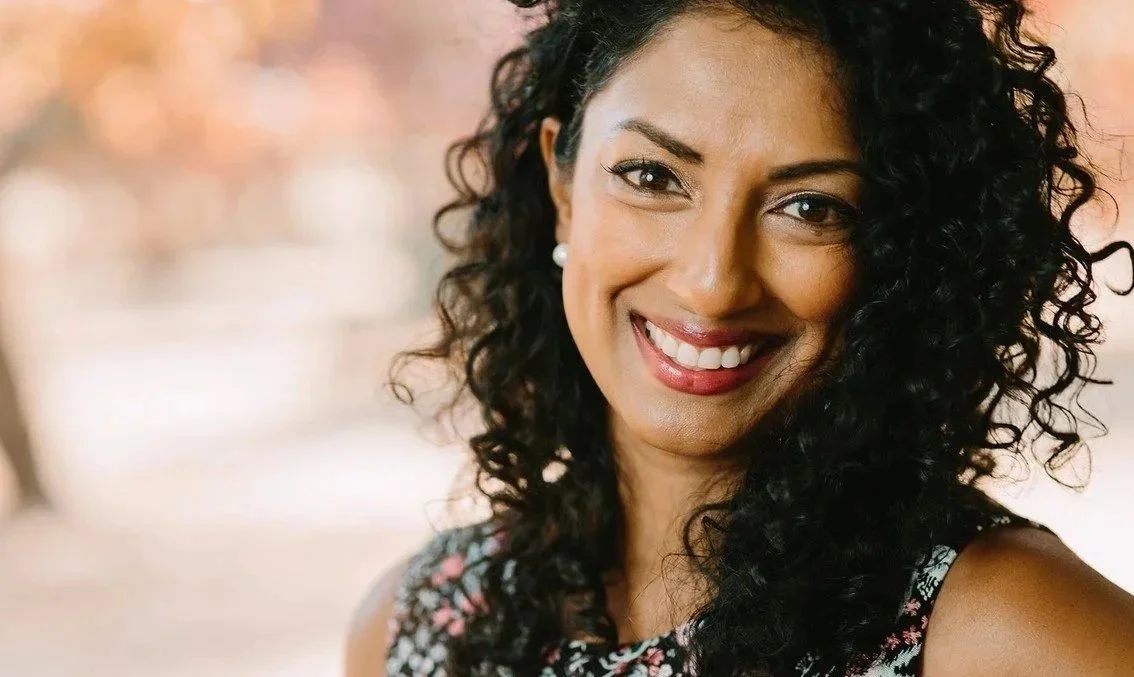
Supriya is a Registered Clinical Counsellor and Certified Music Therapist in Victoria, BC, providing virtual and in-person therapy.
She works with children (8+), youth and adults.
Sometimes talking alone isn't enough.
You might want to try something different.
I draw on counselling and music therapy, meeting you where you're at, and helping you move toward where you want to be.
Areas of Specialty
-

Neurodivergent minds
Autism, acquired brain injury, developmental differences, and other forms of neurodivergence.
-

Trauma and Recovery
Trauma, substance use recovery, anxiety, and depression.
Who I Work With
Kids 8+
With kids, sessions are mostly play, movement, and creation, expression that doesn't rely on constant conversation. I work closely with parents to understand what's actually needed, whether that's building turn-taking, reciprocity, communication, or confidence, and that shapes how sessions flow. Conversation comes in only as much as each child is ready for it.
Teens
Many of my teen clients are already deeply connected to music, so we often use songwriting, and sometimes basic digital music production, as a way in. It's a chance to process feelings while also learning something tangible: how to write, how to record, how to shape an idea into something finished. Music can help lower the pressure teens often feel around conversation.
Adults
For adults who want to understand themselves more fully, their patterns, their internal world, the systems that shape how they relate to themselves and others. Some do this through music, others through words; most of my clients prefer a mix of creative work and conversation. For many, insight comes not just from talking about an experience, but from actively engaging with it, through improvisation, songwriting, or other experiential work.
You don't need to see yourself as creative, or musical, to benefit from creative expression. It's about finding new ways to notice, express, and process what you're carrying.


As featured in